I don’t remember the last day I rode my bicycle outside, but I remember missing it afterwards, the way you miss something before you fully understand what you’ve lost. It was black, that bicycle, and I used to ride it through the neighbourhood streets. Never on the main road; just in our small area where I felt safe and free. Sometimes my mother would permit me to buy groceries, and I’d pedal down the street with the wind against my face, my friends riding alongside me, boys and girls together, just children on bicycles racing nowhere in particular and everywhere that mattered.
Then one day the bicycle moved inside the house, though no one announced it was happening. I tried riding it indoors for a while, but the home felt congested compared to the open road, and I was alone now instead of surrounded by my friends. Slowly, without ceremony, I stopped riding altogether, and after about a year I sold the bicycle to a friend. It felt bad handing it over, like I was giving away a part of myself I didn’t know I’d need to hold onto.
I was twelve years old, and I had just become too tall, too fair, too much of a woman to be allowed to remain a child.
***
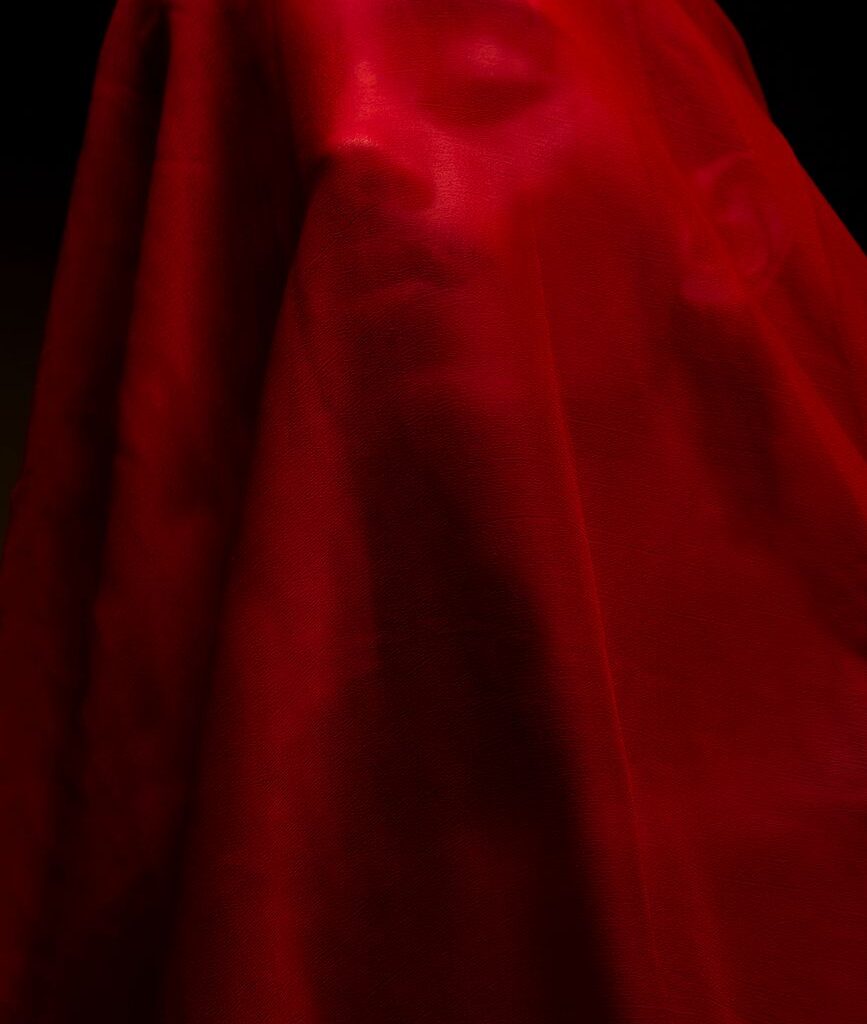
I was in 6th Class when my mother told me I needed to start wearing the veil, not because I’d asked for it, but because, as she explained with a certainty I didn’t then question, I was getting bigger and starting to look like an adult. My height, my complexion, my developing physique—all of it made me appear attractive in a way that required management, she said, because men outside would stare at me and the veil would keep me safe from their eyes.
My father thought I was too young, but I spent most of my time under my mother’s supervision and her watchful concern. My male cousins, who were eight to ten years older than me, told my mother they felt ashamed when I went outside without the veil in front of the neighbours. I remember that word: shame. Not concern for my safety or love for my wellbeing, but shame, as if my uncovered face was an embarrassment they had to carry. Against all this, my father’s objection couldn’t stand.
At first I felt uncertain but also a little excited, because I’d seen older girls and women wearing the veil and I thought it would make me like them, more grown-up and important. But then came the conditions no one had explained: no more bicycle riding, no more playing outside with my friends, no more of those easy friendships with the boys I’d known my whole life. Those relationships suddenly looked suspicious, as if my body was an invitation I hadn’t meant to send and concealment was the only way to take it back.
The veil became my new boundary, and the streets and the bicycle and the wind in my hair became just memories of a freedom I hadn’t known I should have fought to keep.
***
They told me the veil meant safety; that men wouldn’t stare at me, that I wouldn’t be at risk of harassment if I wore it. I believed this because everyone around me believed it, and my body learned to believe it too.
But from school all the way through university, the harassment never actually stopped. The stares, the invasive gestures, the men who followed me home, the phone numbers thrown at me, the sounds and comments that happened so routinely I started to think of them as just part of being a woman in public. I was fully covered in an abaya and veil, doing nothing inappropriate, just walking home, and none of it mattered because the problem was never actually about what I was wearing.
I never told my mother any of this. She died when I was thirteen, just a year and a half after I started wearing the veil, and after that I carried it all alone—the daily harassment, the confusion about why the veil wasn’t working the way they promised, the shame I felt even though I was doing everything ‘right’.
What I understand now is that in Pakistan we spend so much energy conditioning our daughters to cover themselves, to minimise their presence, to believe their bodies are problems that need solving, but we spend almost no energy teaching our sons to see women as human beings deserving of respect. The burden of safety is placed entirely on women, and when the veil inevitably fails to protect us, we’re still left holding all the shame.
***
Over time, the veil became woven so deeply into my identity that I couldn’t tell where the fabric ended and I began. It made me insecure in ways I’m still untangling. For example, after I had stopped wearing it, I had to give my first presentation at university. I stood in front of the class and my body started trembling so badly I lost control of it entirely. I felt exposed and unsafe, and I genuinely believed that if I could just hide behind something, a mask, anything, I would feel less vulnerable. It took a year and a half of forcing myself to practice presentations alone in my room before I could stand in front of people without my body betraying the fear that had been programmed into it.
I had learned so thoroughly that concealment meant protection and visibility meant danger that even in a classroom surrounded by peers, I couldn’t bear to simply be seen.
***
About a year ago I started questioning all of it. Not the faith itself but the gap between what I’d been promised the veil would do and what I’d actually lived. It was supposed to keep me safe, but it hadn’t. I’d been told it was absolutely required, but the enforcement had never come from personal spiritual conviction; it came from family honour, ghairat, and from worries about what the neighbours would think. It came from shame.
I started researching and learned that the abaya was originally just a practical desert garment for Arabic people, and that many scholars interpret these requirements differently. No one had ever mentioned to me that there was room for interpretation. I spoke carefully with colleagues about these questions and was mostly met with silence.
And I realised that what I’d been living under wasn’t really about faith; it was about control, about maintaining family reputation, about managing women’s bodies in the name of honour. The veil wasn’t protecting me from danger; it was protecting my family from judgement while my male relatives enjoyed complete freedom.
***
I started posting professional photographs without the veil on LinkedIn and Instagram. Nothing dramatic, just simple profile pictures showing my face. Some family members responded with comments that brought back all the old conditioning, but I didn’t take the photos down.
I live in a different city now, but every few months I go back to my hometown and the suffocation hits me harder each time. And here’s what still haunts me: even now, when I leave the house wearing makeup, I sometimes still feel the urge to reach for the mask or veil. Not because I believe in it anymore, but because my body still remembers the lie it was told for so many years: that I’m only truly safe when I’m hidden.
The veil is off my head, but it’s still living somewhere inside me, and I’m doing the slow work of teaching my body a different truth.
***
If I could go back and speak to that twelve-year-old girl standing next to her black bicycle, I would tell her: live your childhood, because you are still a child and you deserve to remain one for as long as children are supposed to be children.
This essay isn’t about rejecting faith; it’s about telling the truth about what I lived, what I lost, and what so many girls are still losing right now. It’s about asking who actually benefits when a girl’s childhood ends at twelve because adults have decided her developing body is dangerous, and why we place the entire burden of safety on girls while never holding boys accountable for their behaviour.
Muslim women are women with the same needs and bodies and rights as all women, including the right to childhood, to streets, to bicycles, to wind in our hair and freedom in our limbs. So, we need to understand the fact that we must give them basic human rights, including their childhood, and that we shouldn’t just see them as objects upon which the burden of ghairat must be imposed.
The black bicycle is long gone, sold years ago to a friend, but the memory of that freedom is still riding through my mind, reminding me of what was taken and what I’m slowly, carefully learning to take back.
Related reading
My journey from blindness to rationality: how English literature saved me, by Sonia Nigar
A True Reflection of Pakistan: Review of ‘Paying the Price’, by Muneeb Qadir, by Sonia Nigar



Your email address will not be published. Comments are subject to our Community Guidelines. Required fields are marked *
Donate