

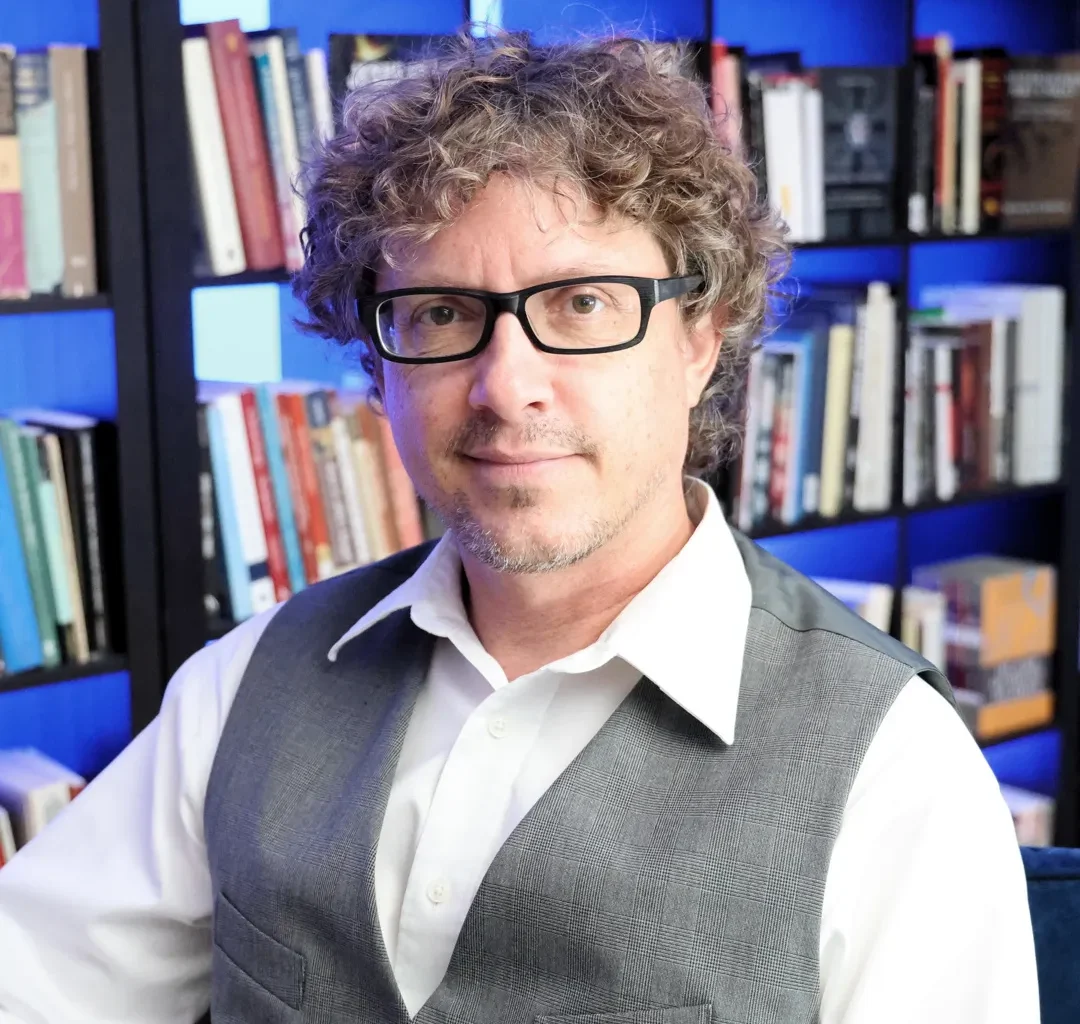
Richard Carrier has a PhD in Ancient History and the History of Philosophy from Columbia University. He specialises in the intellectual history of Greece and Rome, particularly ancient philosophy, religion, and science, as well as the origins of Christianity. He is a member of the Westar Institute, the Society of Biblical Literature, and the Global Centre for Religious Research. He is a well-known advocate of atheism and freethought and one of the foremost scholars advancing the ‘mythicist’ view of Jesus’s historicity.
In this three-part interview, of which this video is the third and final instalment (find the previous instalments here), I interview him on his trilogy of books about the historicity (or lack thereof) of Jesus: Proving History: Bayes’s Theorem and the Quest for the Historical Jesus (2012), On the Historicity of Jesus: Why We Might Have Reason for Doubt (2014, revised edition 2023), and The Obsolete Paradigm of a Historical Jesus (2025). I recommend this video for some relevant background viewing. You can also find the anti-mythicist view, as propounded by Bill Cooke in a recent Freethought History Webinar for the Freethinker, here. (Richard attended this webinar and discusses it in this instalment.)
Find out more about Richard on his website, here.







3 comments
This series has been a great overview of Richard Carrier’s books. The dinosaurs will have to become extinct before he is really taken seriously.
Richard what is that unusual lighted ladder like contraption behind you and over your bed?
While Carrier’s insistence on a more rigorous peer-review process for biblical studies is compelling, how can the academic community ensure these standards are met without stifling diverse theological perspectives? Regards Telkom University Jakarta
Well, the current problem is the model of double blind review which works well in theory but is an opportunity for bad-faith actors to censor and blacklist scholarship they don’t like through backdoor politics. Dr Carrier mentioned that open review is the best pathway forward because at least that way corruption is reduced and if a scholar produces an anti-intellectual screed/hit-job of a review they would have to do so publicly leaving them exposed to critique in the court of public opinion. There are other issues of time availability and funding, and for that maybe journals could start paying scholars to do peer-review full-time?
Your email address will not be published. Comments are subject to our Community Guidelines. Required fields are marked *
Donate